Automation Hardware
Automation Hardware
Automation Hardware
Grade & Sort Textiles for Resale and Recycling
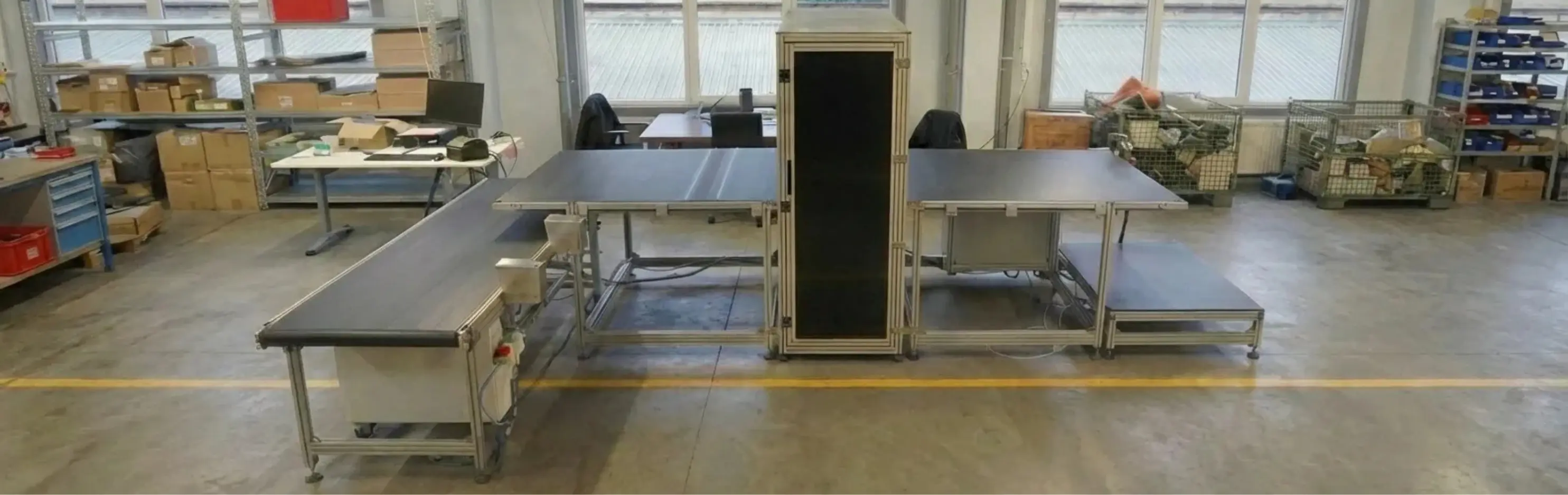
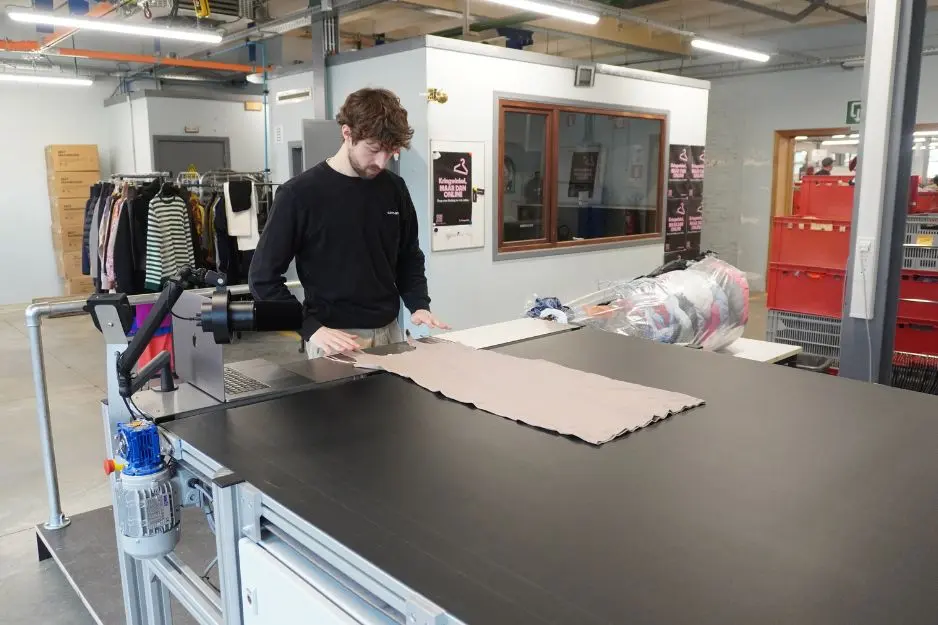
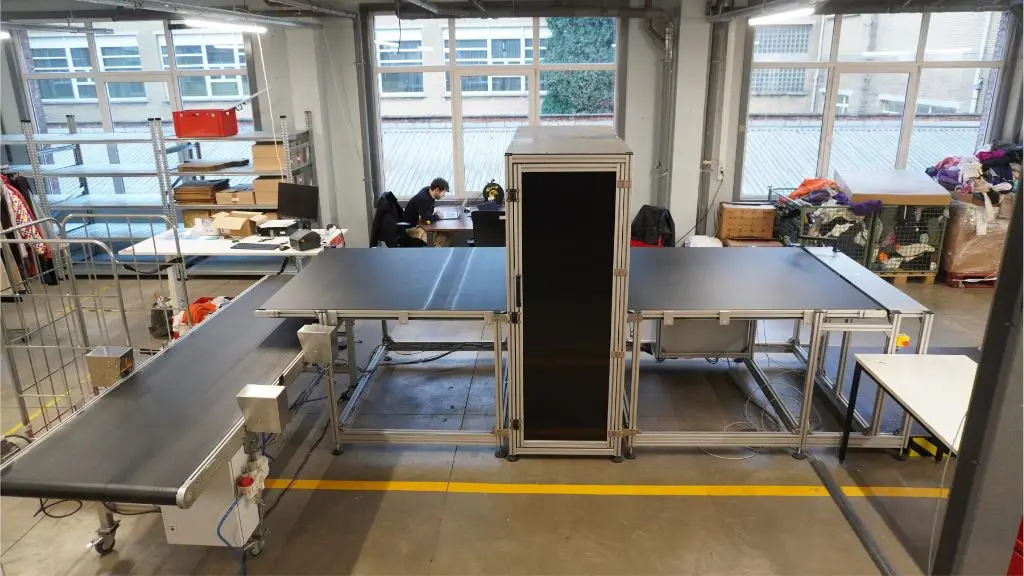
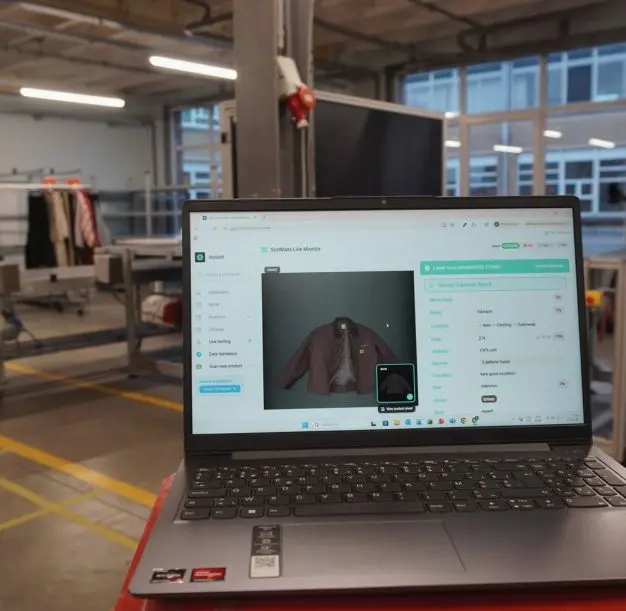
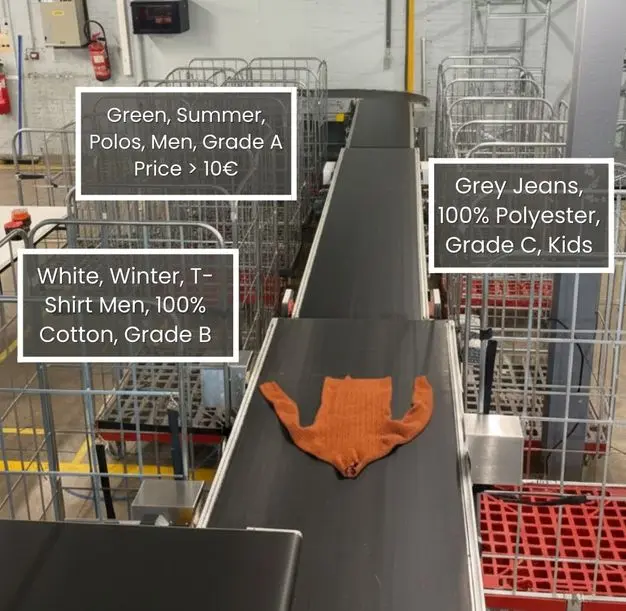
With Sortmate, the process is streamlined: lay the garment on the conveyor, and the machine handles the rest. Material Composition detection, 360° scanning, and (air-compressed) sorting are performed semi-automatically, lowering operational costs and improving sorting efficiency.
With Sortmate, the process is streamlined: lay the garment on the conveyor, and the machine handles the rest. Material Composition detection, 360° scanning, and (air-compressed) sorting are performed semi-automatically, lowering operational costs and improving sorting efficiency.
With Sortmate, the process is streamlined: lay the garment on the conveyor, and the machine handles the rest. Material Composition detection, 360° scanning, and (air-compressed) sorting are performed semi-automatically, lowering operational costs and improving sorting efficiency.
With Sortmate, the process is streamlined: lay the garment on the conveyor, and the machine handles the rest. Material Composition detection, 360° scanning, and (air-compressed) sorting are performed semi-automatically, lowering operational costs and improving sorting efficiency.
The Process
The Process
The Process
Material Composition
Material Composition
Material Composition
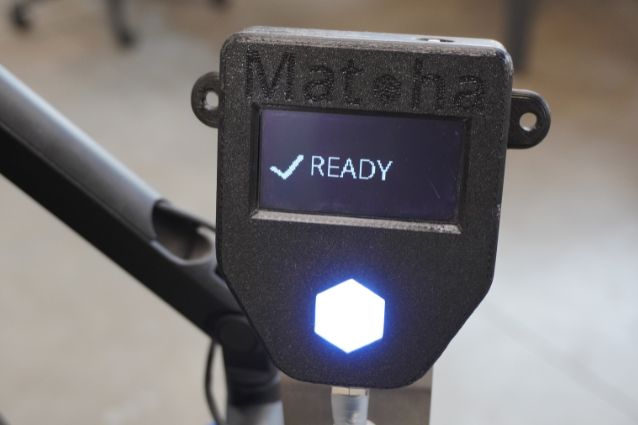
We integrate Near-Infrared (NIR) sensor to identify the fiber makeup of each garment. This allows you to separate textiles for recycling at the same time you are grading for resale or repair, without adding a separate manual step. For operations requiring more granular fiber analysis, the system can also be integrated with hyperspectral cameras.
We integrate Near-Infrared (NIR) sensor to identify the fiber makeup of each garment. This allows you to separate textiles for recycling at the same time you are grading for resale or repair, without adding a separate manual step. For operations requiring more granular fiber analysis, the system can also be integrated with hyperspectral cameras.
We integrate Near-Infrared (NIR) sensor to identify the fiber makeup of each garment. This allows you to separate textiles for recycling at the same time you are grading for resale or repair, without adding a separate manual step. For operations requiring more granular fiber analysis, the system can also be integrated with hyperspectral cameras.
360° Scanning
360° Scanning
360° Scanning
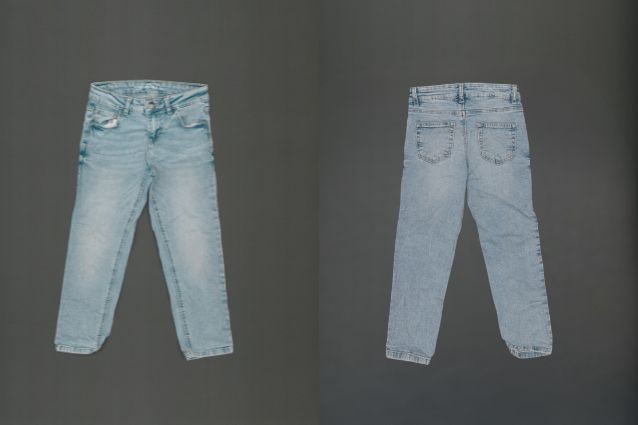
Our system uses high-resolution imaging and a patented 360° view to scan the garment from all angles during the grading process. This provides the visual data needed to sort precisely and accurately on brand, defect, or any other visible element, to maintain bale quality and reduce the risk of high-value items being missed or downgraded.
Our system uses high-resolution imaging and a patented 360° view to scan the garment from all angles during the grading process. This provides the visual data needed to sort precisely and accurately on brand, defect, or any other visible element, to maintain bale quality and reduce the risk of high-value items being missed or downgraded.
Our system uses high-resolution imaging and a patented 360° view to scan the garment from all angles during the grading process. This provides the visual data needed to sort precisely and accurately on brand, defect, or any other visible element, to maintain bale quality and reduce the risk of high-value items being missed or downgraded.
Air-Compressed Sorting
Air-Compressed Sorting
Air-Compressed Sorting
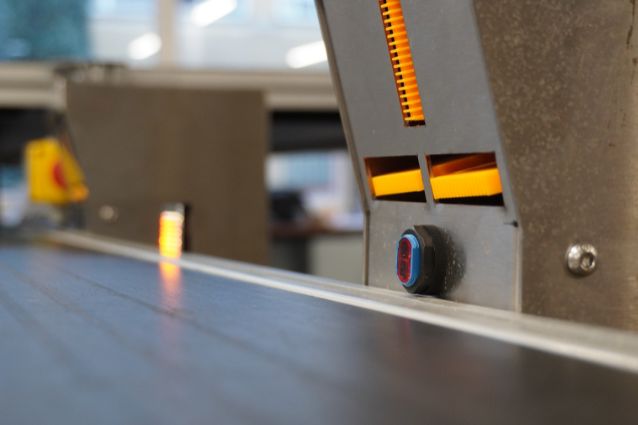
Sorting garments into the right bale, at the right moment, gets increasingly complex with the amount of categories you sort on. Our sorting system enables adaptable categorization into +450 different categories. This ensures that even at high volumes, every item is routed to its correct destination with consistent mechanical precision.
Sorting garments into the right bale, at the right moment, gets increasingly complex with the amount of categories you sort on. Our sorting system enables adaptable categorization into +450 different categories. This ensures that even at high volumes, every item is routed to its correct destination with consistent mechanical precision.
Sorting garments into the right bale, at the right moment, gets increasingly complex with the amount of categories you sort on. Our sorting system enables adaptable categorization into +450 different categories. This ensures that even at high volumes, every item is routed to its correct destination with consistent mechanical precision.
Technical Specifications
Technical Specifications
Technical Specifications
Throughput
Throughput
Throughput
Throughput levels vary based on your specific sorting logic. Book a meeting with us to get a performance estimate tailored to your sorting facility.
Throughput levels vary based on your specific sorting logic. Book a meeting with us to get a performance estimate tailored to your sorting facility.
Throughput levels vary based on your specific sorting logic. Book a meeting with us to get a performance estimate tailored to your sorting facility.
Proprietary
Scanning System
Proprietary
Scanning System
Proprietary
Scanning System
Our proprietary scanning system captures 360° images of garments in 8K resolution to detect defects as small as 3mm.
Our proprietary scanning system captures 360° images of garments in 8K resolution to detect defects as small as 3mm.
Our proprietary scanning system captures 360° images of garments in 8K resolution to detect defects as small as 3mm.
Floor Footprint
Floor Footprint
Floor Footprint
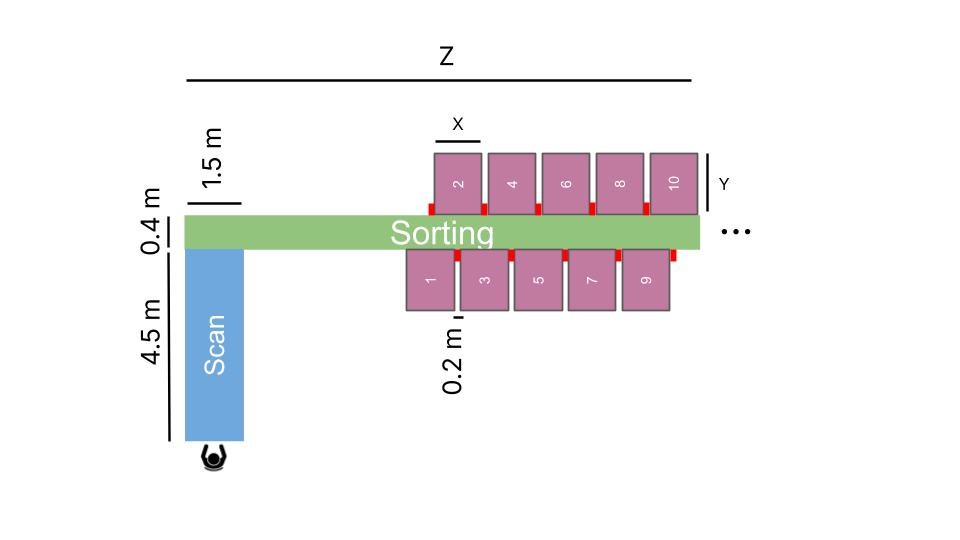
Scanning Module: 4.5 m x 1.5 m = 6.75m²
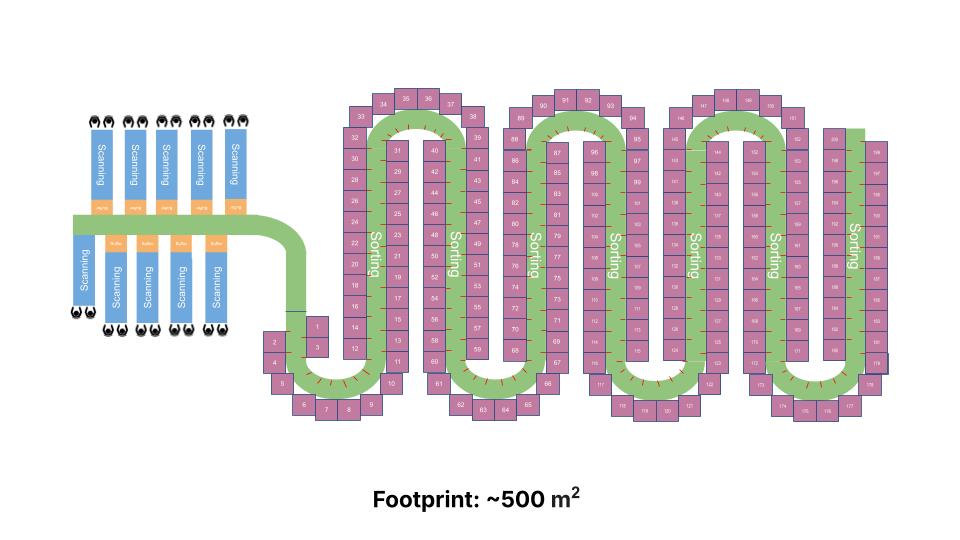
Sorting module should be 0.4 m minimum. Its length depends on the number of categories you want to sort on. You can sort in more than 450 categories.
Get in touch to get a precise estimation of the total floor print for your automated textile grading & sorting machine.
Scanning Module: 4.5 m x 1.5 m = 6.75m²
Sorting module should be 0.4 m minimum. Its length depends on the number of categories you want to sort on. You can sort in more than 450 categories.
Get in touch to get a precise estimation of the total floor print for your automated textile grading & sorting machine.
Scanning Module: 4.5 m x 1.5 m = 6.75m²
Sorting module should be 0.4 m minimum. Its length depends on the number of categories you want to sort on. You can sort in more than 450 categories.
Get in touch to get a precise estimation of the total floor print for your automated textile grading & sorting machine.
Flexible and Scalable
Flexible and Scalable
Flexible and Scalable
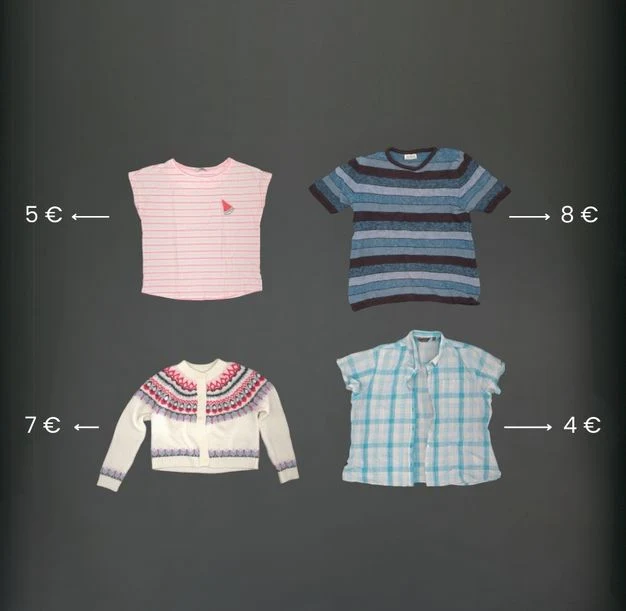
With our Equipment as a Service (EaaS) model, you can scale your operation by adding or removing scanning lines and sorting categories at will. The system is designed for high-complexity sorting, supporting up to +450 unique categories to maximize the value of every garment. This model provides the latest hardware and software updates while allowing you to adjust your capacity based on your current operational needs.
With our Equipment as a Service (EaaS) model, you can scale your operation by adding or removing scanning lines and sorting categories at will. The system is designed for high-complexity sorting, supporting up to +450 unique categories to maximize the value of every garment. This model provides the latest hardware and software updates while allowing you to adjust your capacity based on your current operational needs.
With our Equipment as a Service (EaaS) model, you can scale your operation by adding or removing scanning lines and sorting categories at will. The system is designed for high-complexity sorting, supporting up to +450 unique categories to maximize the value of every garment. This model provides the latest hardware and software updates while allowing you to adjust your capacity based on your current operational needs.
How to get Started?
Accessing a great solution shouldn't be time-consuming…
How to get Started?
Accessing a great solution shouldn't be time-consuming…
How to get Started?
Accessing a great solution shouldn't be time-consuming…
Learn More
Learn More
Learn More
Explore our AI Software or see how the system translates into operational Efficiency and maximized Value capture for your resale business.
Explore our AI Software or see how the system translates into operational Efficiency and maximized Value capture for your resale business.
Explore our AI Software or see how the system translates into operational Efficiency and maximized Value capture for your resale business.

FAQ
Quick answers to commonly asked questions.
Couldn’t find what you were looking for?
write to us at
How many categories can I sort on?
How does the AI pricing engine work?
How much space does the system occupy?
I am already using a conveyor to sort faster. What is the difference with your system?
I am table sorting. How is your system better?
Can I adapt the sorting categories to the ones I use at my own sorting center?
How much time do my collaborators need to be operational with your system?
How does the system recognize the fabric of the garments?
Does Trosort build the hardware & software?
FAQ
Quick answers to commonly asked questions.
Couldn’t find what you were looking for?
write to us at
How many categories can I sort on?
How does the AI pricing engine work?
How much space does the system occupy?
I am already using a conveyor to sort faster. What is the difference with your system?
I am table sorting. How is your system better?
Can I adapt the sorting categories to the ones I use at my own sorting center?
How much time do my collaborators need to be operational with your system?
How does the system recognize the fabric of the garments?
Does Trosort build the hardware & software?
FAQ
Quick answers to commonly asked questions.
Couldn’t find what you were looking for?
write to us at
How many categories can I sort on?
How does the AI pricing engine work?
How much space does the system occupy?
I am already using a conveyor to sort faster. What is the difference with your system?
I am table sorting. How is your system better?
Can I adapt the sorting categories to the ones I use at my own sorting center?
How much time do my collaborators need to be operational with your system?
How does the system recognize the fabric of the garments?
Does Trosort build the hardware & software?
Next-Gen Textile Sorting Automation for
Reuse, Repair & Recycling
Got questions? Just ask us.
Next-Gen Textile Sorting Automation for
Reuse, Repair & Recycling
Got questions? Just ask us.