News & Articles
Our Latest News and Case Studies.
All
News
Case Studies
Blog
Features
Events
Search Article
Blog
Ghana, Kenya, the UAE: closed. Unless you can prove your clothes aren't waste.

News
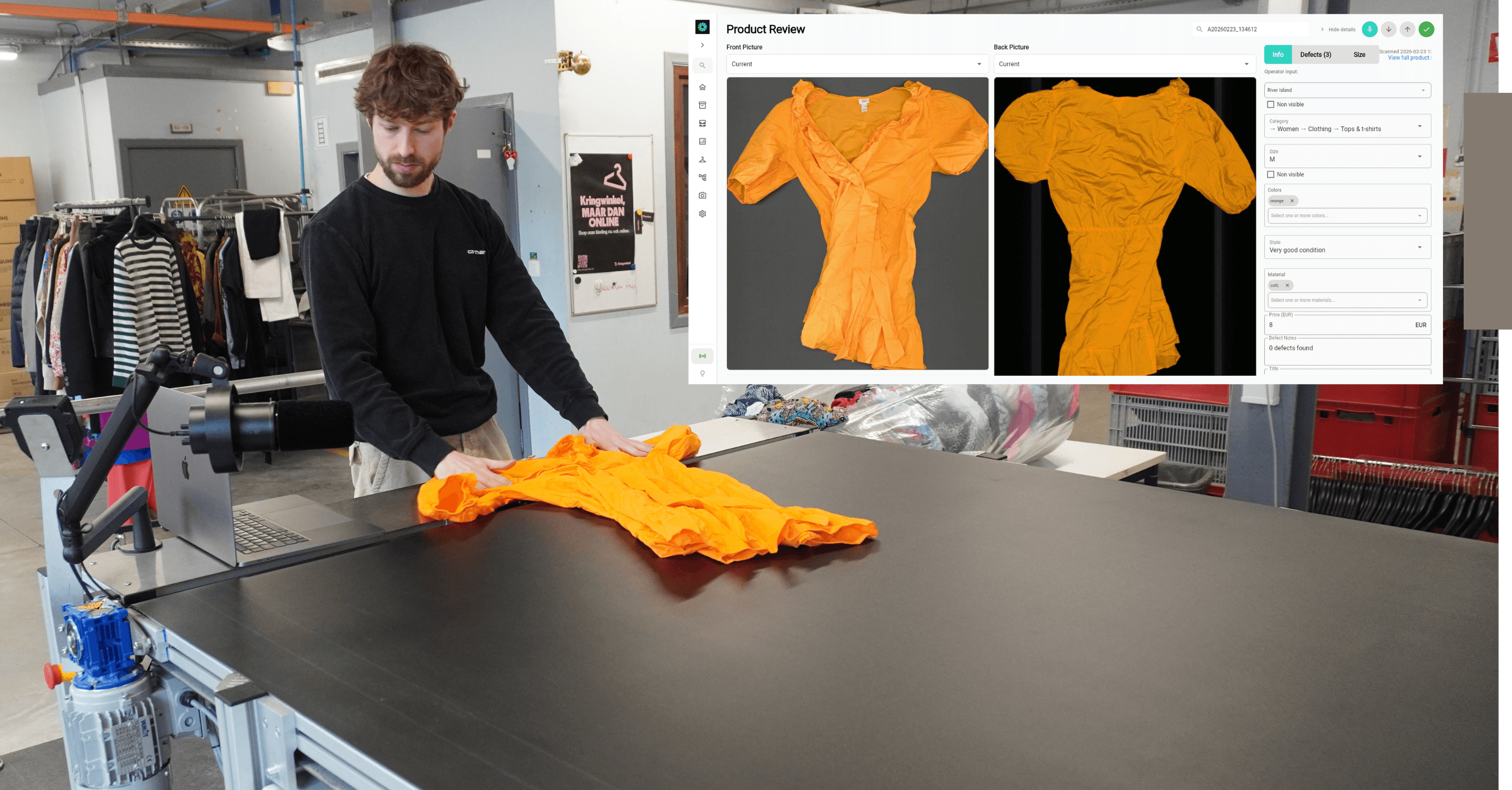
We Won! Trosort Named Global Winner of eBay’s Circular Fashion Fund 2026

News
Trends: "The impact of AI on the secondhand clothing industry"
Case Studies
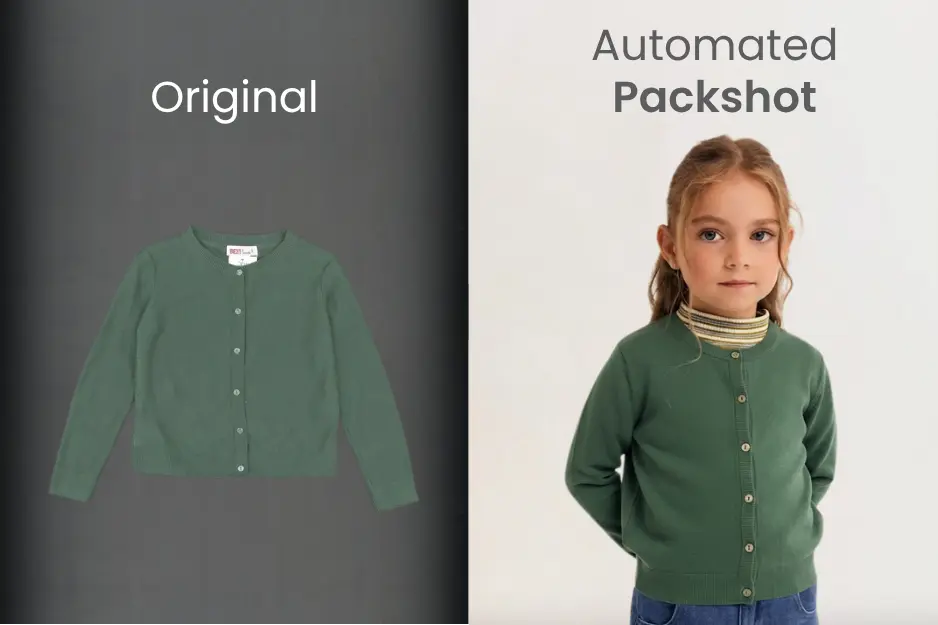
From Sorting to Resale: Trosort’s AI-Driven Reuse and E-commerce Automation with JBC, Torfs, and KWA
Blog
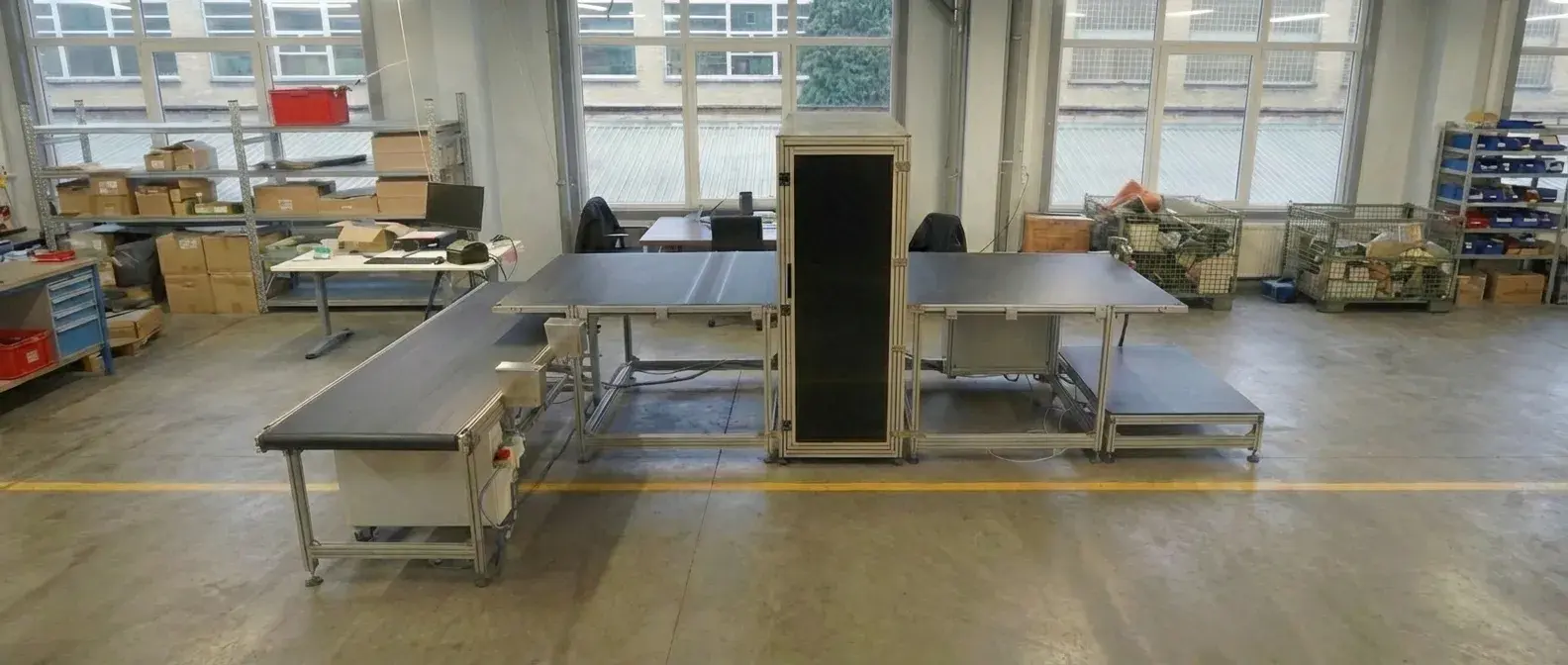
Beyond the Multi-Stage Bottleneck: Is Single-Pass Textile Sorting the Future?
Blog
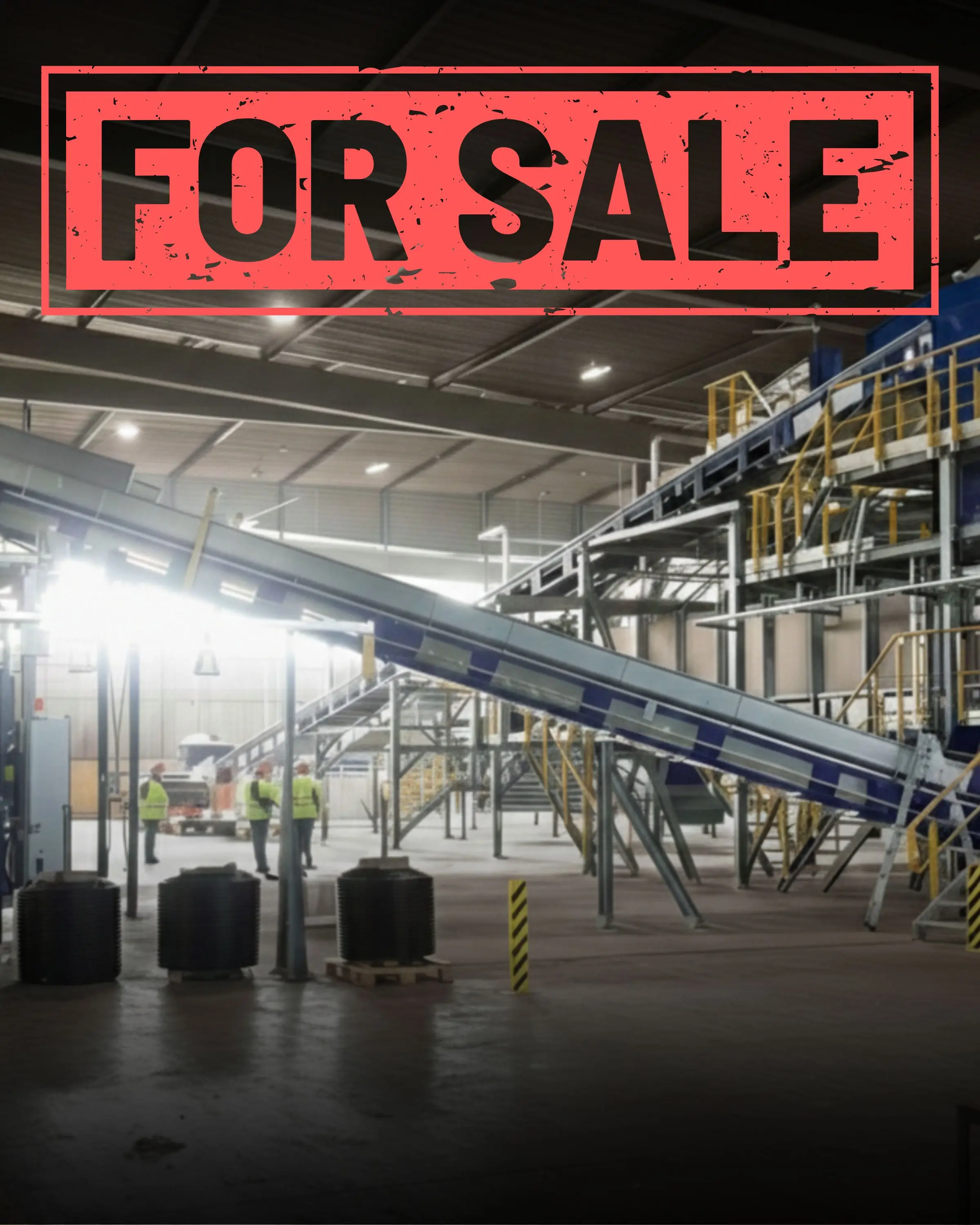
Sorting for Recycling vs. Reuse: Why Your Facility Needs a Dual-Track Strategy
All
News
Case Studies
Blog
Features
Events
Search Article
Blog
Ghana, Kenya, the UAE: closed. Unless you can prove your clothes aren't waste.
News
We Won! Trosort Named Global Winner of eBay’s Circular Fashion Fund 2026
News
Trends: "The impact of AI on the secondhand clothing industry"
Case Studies
From Sorting to Resale: Trosort’s AI-Driven Reuse and E-commerce Automation with JBC, Torfs, and KWA
Blog
Beyond the Multi-Stage Bottleneck: Is Single-Pass Textile Sorting the Future?
Blog
Sorting for Recycling vs. Reuse: Why Your Facility Needs a Dual-Track Strategy

FAQ
Quick Answers to Commonly Asked Questions
Couldn’t find what you were looking for?
write to us at
What can SortMate detect on a garment?
SortMate identifies a garment's category, brand, colour, fibre composition, defects and overall condition in a single scan. It combines computer vision with near-infrared (NIR) or hyperspectral sensors, and can also suggest a resale price and a vintage score for each item.
How many garments can SortMate sort per hour?
With two operators feeding the machine, SortMate processes about 1,200 garments per hour when sorting for resale, which is around 8,400 garments or 3 tonnes per shift. When sorting for recycling it reaches up to 3,600 garments per hour, and for fashion returns about 1,000 items per hour.
How accurate is SortMate?
Accuracy depends on what you want to detect. Clear attributes such as brand and garment category are detected very reliably, while subtle defects such as loose stitches or pilling are harder. During onboarding we measure accuracy on your own garments and tune the system until your team no longer needs to recheck its output.
Can SortMate learn our own grades and categories?
Yes. SortMate is set up on your own grades and categories, and you can define more than 450 categories with your own sorting rules. To discover how it works for your operation, book a call with our team.
Can SortMate sort for reuse and recycling at the same time?
Yes. In one single pass, SortMate sorts for recycling thanks to its near-infrared (NIR) or hyperspectral sensor, which identifies fibre composition, and for reuse thanks to all the other data points it captures, such as brand, condition and estimated resale price. Each item is then routed to the right output according to your rules.
Can SortMate identify fibre composition?
Yes. SortMate's near-infrared (NIR) or hyperspectral sensor measures the material composition of each garment, distinguishing for example cotton, polyester and blends. This is key for feeding the right recycling streams.
Can SortMate process shoes, bags or accessories?
SortMate processes garments and flat accessories such as scarves, caps and belts. Shoes and bags are not supported at the moment.
What if SortMate doesn't work for our operation?
Every project starts with an onboarding period in which we tune SortMate to your garments and grades together, so you can evaluate the results on your own operation before committing long-term.
Who maintains the machine?
Trosort does. Maintenance and software updates are part of our service. Outside Europe, on-site support is provided through a local technical partner.
Can SortMate connect to our systems?
Yes. SortMate integrates with your warehouse management, ERP or point-of-sale systems, so item data, labels and sales information flow automatically. It can also print a label for each garment right after the scan.
How long does it take from order to operation?
Delivery takes 6 to 9 weeks in Europe and 12 to 16 weeks in the United States. Installation and operator training on site take 2 to 5 days.
Where can I see SortMate in action?
You can see SortMate running live in our showroom. Book a meeting to plan a visit, or join a live video demo.
Who already uses SortMate?
SortMate is present in 7 countries, at sorting centres, retailers and logistics companies, sorting for resale, recycling and fashion returns.
Who owns the data SortMate generates?
You do. All data generated by scanning your garments remains your property; Trosort only uses it to improve its detection accuracy. Your sorting rules and processes are your own IP and remain completely confidential.
Next-Gen Textile Sorting Automation for
Reuse and Recycling
Supported by

and the European Union

Next-Gen Textile Sorting Automation for
Reuse and Recycling
Supported by
and the European Union