The Core Challenge: Can AI, Brands and the Social Economy Scale Circularity?
The AI Sort Supply project (part of the VLAIO "REuse in Style" Living Lab set out to answer three critical questions for the future of textile sorting:
Can Trosort’s data and images power both online and offline sales?
How does AI help determine the true cost vs. profit of an item from sorting to sale?
How can we automatically match an item to the best channel (e.g., physical shop, online marketplace, or wholesale)?
Working with Kringwinkel Antwerpen, Schoenen Torfs, and Claes Retail Group (JBC), Trosort provided the technology to find the answers.
Pilot 1: Footwear Digitalization (Torfs x KWA)
We processed 10,500 kg of shoes through a hybrid manual/AI sorting process. 1,500 pairs were fully digitized in the Trosort app to test classification, automated pricing based on market data, and QR-code tracking.
Key Outcomes:
Waste to Profit: Trosort identified and converted 5% of the collected volume into a new "Refurbish" commercial stream (Saved).
The Feedback Loop: For the first time, the sorting center (Kringwinkel) received data-driven insights into supply, sales, and sell-through rates.
Second hand has competion: The pilot found that refurbished sneakers struggled in traditional outlets due to heavy competition from new discounted stock, proving that choosing the right resale channel is as important as the sorting itself.
Pilot 2: Apparel Inventory at Scale (CRG/JBC x KWA)
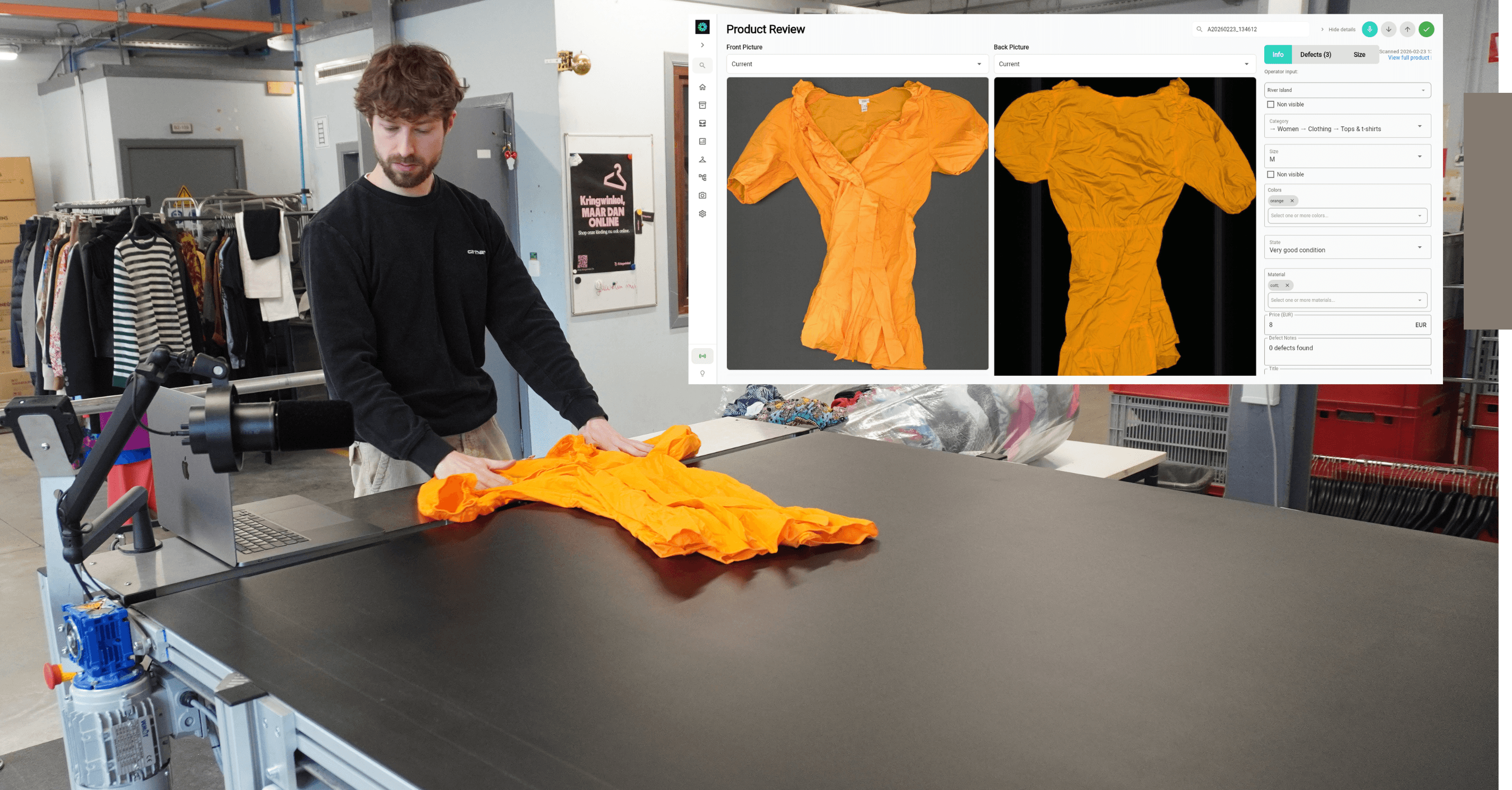
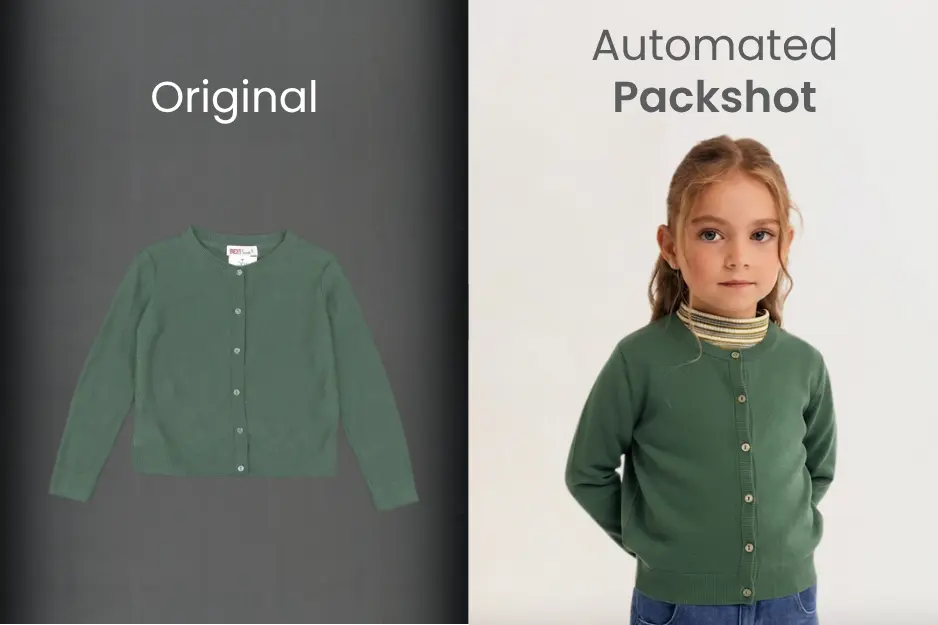
Trosort processed 2,000 items from JBC through the SortMate installation. The system automatically generated high-quality packshots and product data, while we also mapped out the technical requirements to sync this data directly with JBC’s e-commerce shop.
Key Industry Insights:
Online Reach: Offering second-hand items online significantly improves reach compared to physical stores alone.
The Profitability Pillar: The economic viability of resale depends entirely on reducing labor-intensive processes like manual quality control and photography.
Digital Skills: The technology was easily adopted by Kringwinkel employees, proving that AI-driven sorting supports operators and builds new skills in the social economy.
The Verdict
The reuse market is full of potential, but without the right technology, much of that potential remains untapped. Trosort’s AI-driven sorting transforms the process by allowing you to track items individually, identify new outcomes like refurbished or repairable goods, and automatically match each item to its most profitable resale channel.
Moreover, by automating content creation, including product data and professional photos, Trosort eliminates the manual overhead that typically drains margins and finally enables profitable online resale.
Want to digitize your clothes and optimize your sorting margins?