"They [sorting centers] didn't digitalize clothes at all... it took too much time. There were problems with labor, speed, and the fact that sorting is ultimately very subjective. We are changing that by making the process objective, digital, and fast." — Achille Mathot, Co-founder & CEO
Key Takeaways from the L’Echo Feature
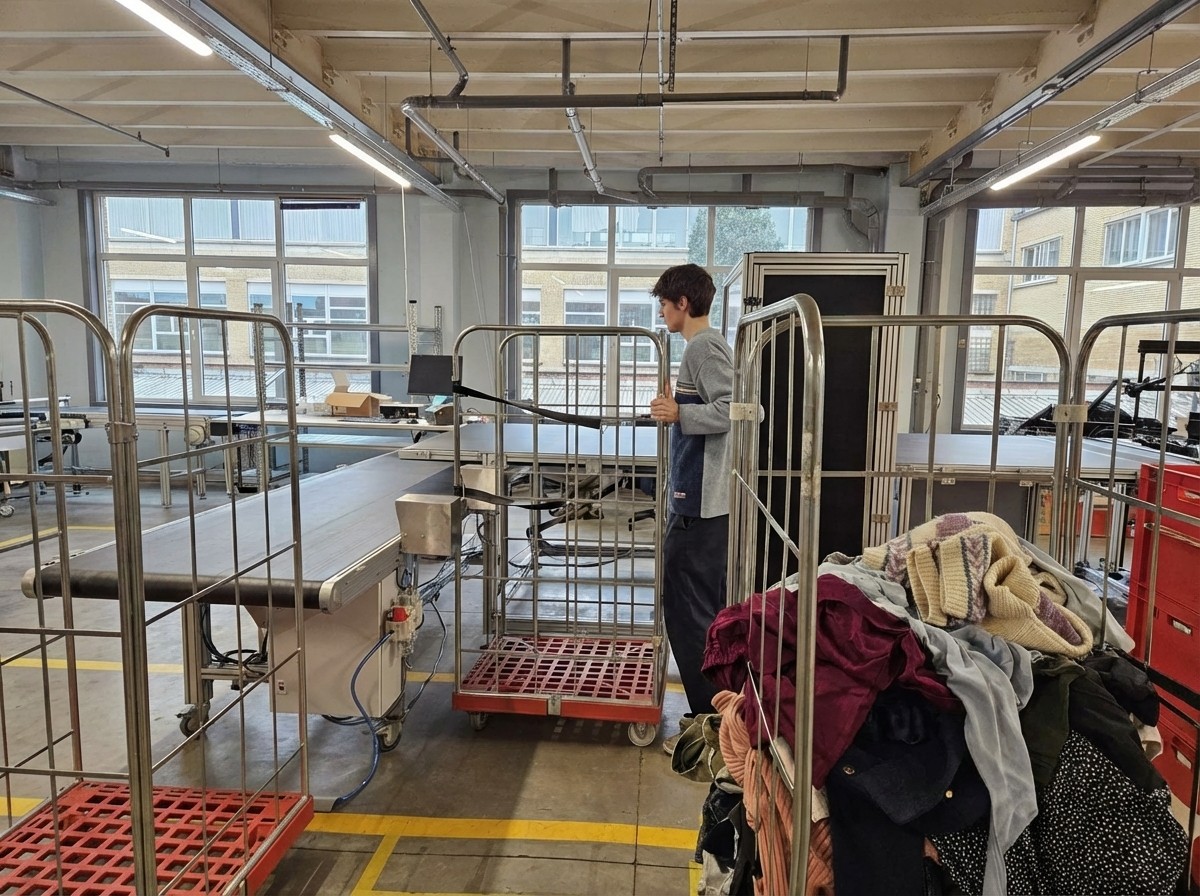
The article by Louise Renson highlights how Trosort, founded in late 2024 by engineers Achille Mathot and Matthieu Brabant, is solving the bottleneck of manual textile sorting. As new EU directives prohibit throwing textiles in the trash, sorting centers are facing an unprecedented flood of garments.
What L'Echo noted about our technology:
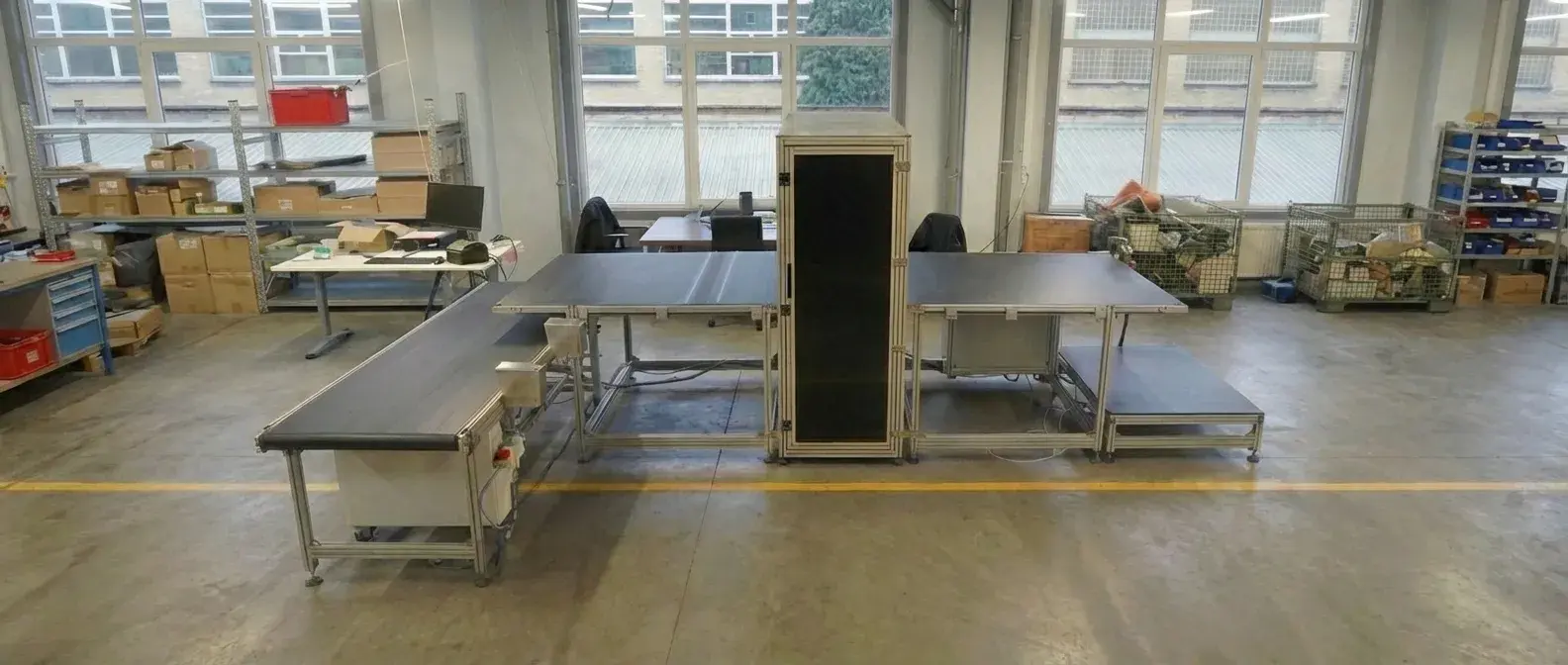
Speed & Precision: Our system scans a garment and identifies its brand, color, material, and defects (stains or holes) in just 3 seconds.
The "Air" Factor: Using a sophisticated compressed air system, garments are automatically pushed into the correct category: Resale, Repair, or Recycle.
Unlocking Profitability: By providing suggested resale prices and instant digitization, we help organizations like Kringwinkel or Les Petits Riens sell unique pieces online at scale.
Global Reach: While headquartered in Brussels and operating out of Antwerp, Trosort is already shipping machines as far as Australia.
The Roadmap: With the support of investors like Miles Ahead, RDY Ventures, PMV, and BeAngels, we are on track to install 35 systems over the next two years, including 10 by the end of 2026.
Read the full article here.